

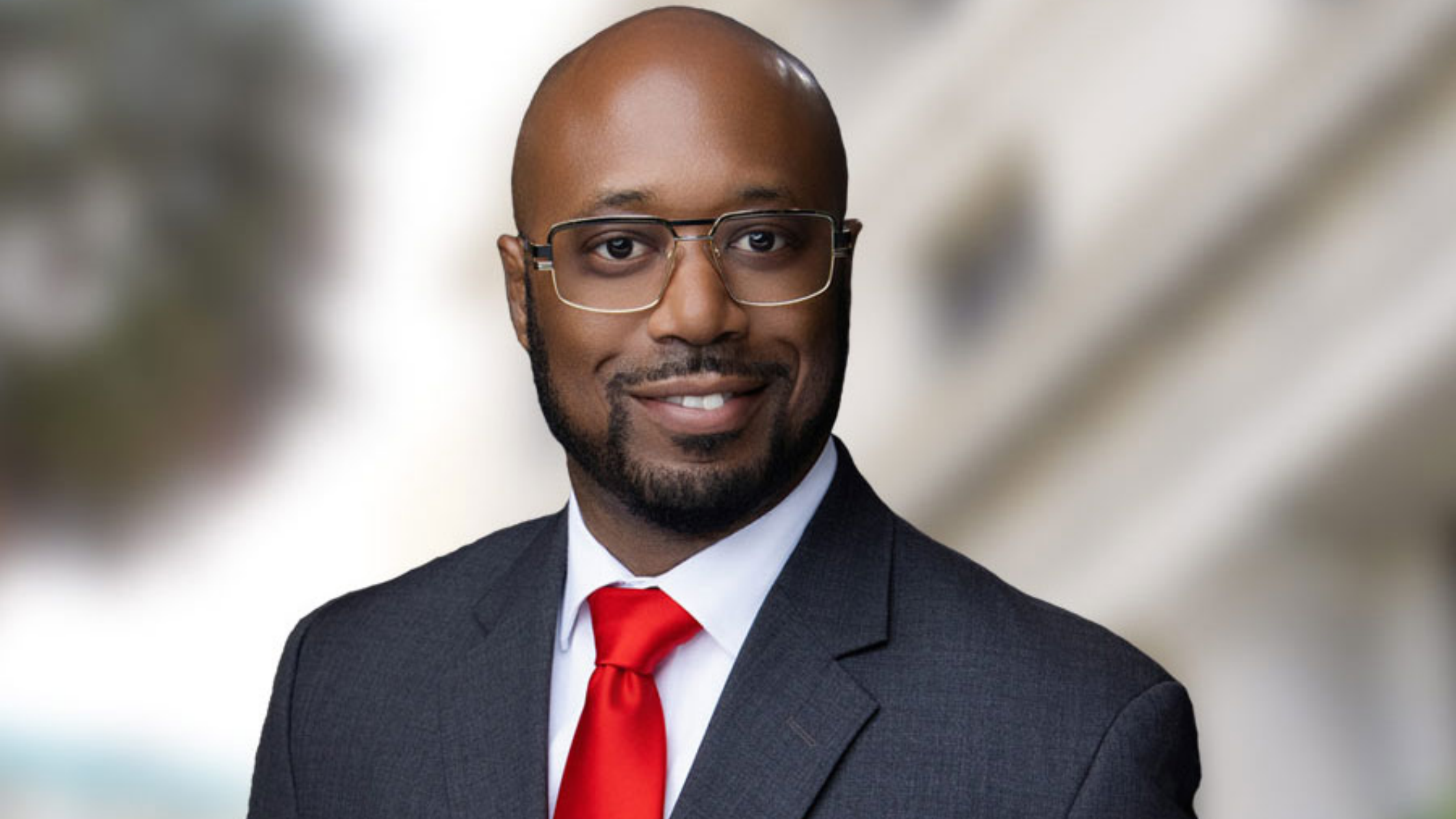
For Arthur “Marty” McNeil, fairness in a courtroom includes giving people time to speak, listening to their concerns and explaining how a decision was reached.
During an interview with Hy-Lo News Publisher Janey Tate on the “Can We Talk” podcast, McNeil discussed how his experience in public defense and private practice would shape his approach to serving as a circuit court judge.
McNeil, whose full ballot name is Arthur LeMar “Marty” McNeil, faces Monica Segura in the Nov. 3 runoff for Group 5 in Florida’s 11th Judicial Circuit, which serves Miami-Dade County. Both candidates advanced from the August primary.
Throughout the conversation, McNeil emphasized judicial temperament, clear communication and the responsibility that comes with making decisions affecting someone’s freedom, family or future.
“So we want judges that are impartial, that are neutral,” McNeil said, adding that judges should ensure “that justice is being done and that everyone has their day in court.”
Raised in Fayetteville, North Carolina, McNeil described himself as the son of an Army veteran and an educator. His connection to Miami began during a childhood family trip before a cruise to the Bahamas.
The city’s diversity, culture and warm weather left an impression that stayed with him through college and law school.
McNeil said he attended the University of North Carolina at Pembroke for his undergraduate education and Howard University for law school. After graduation, he and his then-girlfriend, now his wife, moved to South Florida, where they married and started a family.
At the time of the interview, he said he had lived in the area for 21 years.
His interest in becoming a judge also had family roots. McNeil recalled an aunt encouraging him to pursue the bench immediately after he was sworn in as an attorney.
“But she planted that seed,” he said.
Years of courtroom experience helped turn that suggestion into a goal. McNeil said watching judges work gave him examples of effective leadership and moments that made him consider how he might approach the role differently.
McNeil said he began working at the public defender’s office in 2005 and became an attorney in 2007. During the interview, he initially misstated the year he was sworn in before correcting it to 2007.
In 2008, he opened his own practice, where he said his work included criminal defense, civil matters, family law and juvenile cases. He also described working as a certified circuit civil mediator and conducting mortgage foreclosure mediations during the housing crisis.
He returned to the public defender’s office in 2016. His responsibilities there have included trial work, training and supervising attorneys, and handling death penalty cases, he said.
McNeil said public defense prepared him to manage demanding court calendars while remaining attentive to the people involved.
“And it’s taught me how to be compassionate, how to understand people,” he said.
That understanding, he explained, extends beyond defendants. Victims, witnesses and others may have to miss work, find parking and navigate an unfamiliar courthouse, only to encounter delays.
For McNeil, those experiences reinforce why judges should consider how every participant is treated. Asked how he would ensure fair treatment, McNeil focused on listening and explaining decisions.
He said people can leave court confused when attorneys and judges discuss their cases without making sure they understand the outcome. A judge, he argued, should explain how the evidence and law informed a ruling.
“But as the judge, you have to explain your ruling,” McNeil said.
He also emphasized the importance of approaching each case independently, without carrying frustration from an earlier proceeding into the next person’s matter.
McNeil said temperament, compassion and the ability to relate to people are important qualities for anyone seeking the bench. The authority of the position, he said, should not change the respect shown to those appearing in court.
When Tate asked about people representing themselves without an attorney, McNeil said he would allow additional time and patience while maintaining impartiality.
“But I’ll give them as much latitude as I lawfully can to present their case,” he said.
He said his approach would include courtesy and realistic expectations about an unrepresented person’s familiarity with courtroom procedures.
McNeil described representing people facing life in prison as a responsibility that requires patience, honest advice and attention to the full circumstances of a case.
Some of the hardest conversations, he said, involve explaining the possibility of decades in prison to clients in their early 20s.
Even compensation for a wrongful conviction cannot restore the years someone has lost, he said.
“You don’t get that time back,” McNeil said.
Those experiences have reinforced the importance of giving clients accurate information, including when the evidence presents serious challenges to their defense.
He also pushed back against the perception that public defenders do not care about their clients. McNeil said public defense requires commitment to people’s lives and futures, even when the job involves delivering difficult news.
“Most of the people, pretty much all of the people I know at the PD’s office are in that job because they care about people and they want the best for them,” he said.
Building trust, he added, can require addressing a client’s existing doubts about the justice system while also working on the case itself.
The conversation also touched on what it would mean for McNeil to join the legacy of Black judges in Miami-Dade County.
McNeil credited earlier generations of Black legal professionals with creating opportunities for others to become attorneys, public defenders and judges. He said those sacrifices carry a responsibility that he takes seriously.
“I want to inspire young children,” he said.
McNeil said he has mentored young people since high school and hopes his work encourages children to see careers in law and public service as possibilities for themselves.
Asked how he would keep personal beliefs from influencing judicial decisions, McNeil said prayer helps him remain grounded, while emphasizing the obligation to uphold the law and honor the oath of office.
“I’m a steward of justice and the public has entrusted me with that justice,” he said.
In his closing remarks, McNeil pointed to his courtroom experience, community involvement and temperament as reasons voters should consider his candidacy.
“I am fully invested in the community in Miami-Dade,” he said.
Watch the full episode of the Can We Talk Podcast below for more on the political conversations shaping South Florida ahead of Election Day.
Sign up for our weekly email newsletter and subscribe to our YouTube page to get alerts for our news shows.
Do you have news to share? If so, send Hy-Lo News your story ideas by clicking here.
0 comments on “Arthur “Marty” McNeil talks fairness, public defense and his run for Miami-Dade circuit judge”