

The proposed $450 million bond would fund repairs to aging fire stations and police facilities, build four new fire stations and improve emergency response times across the city.
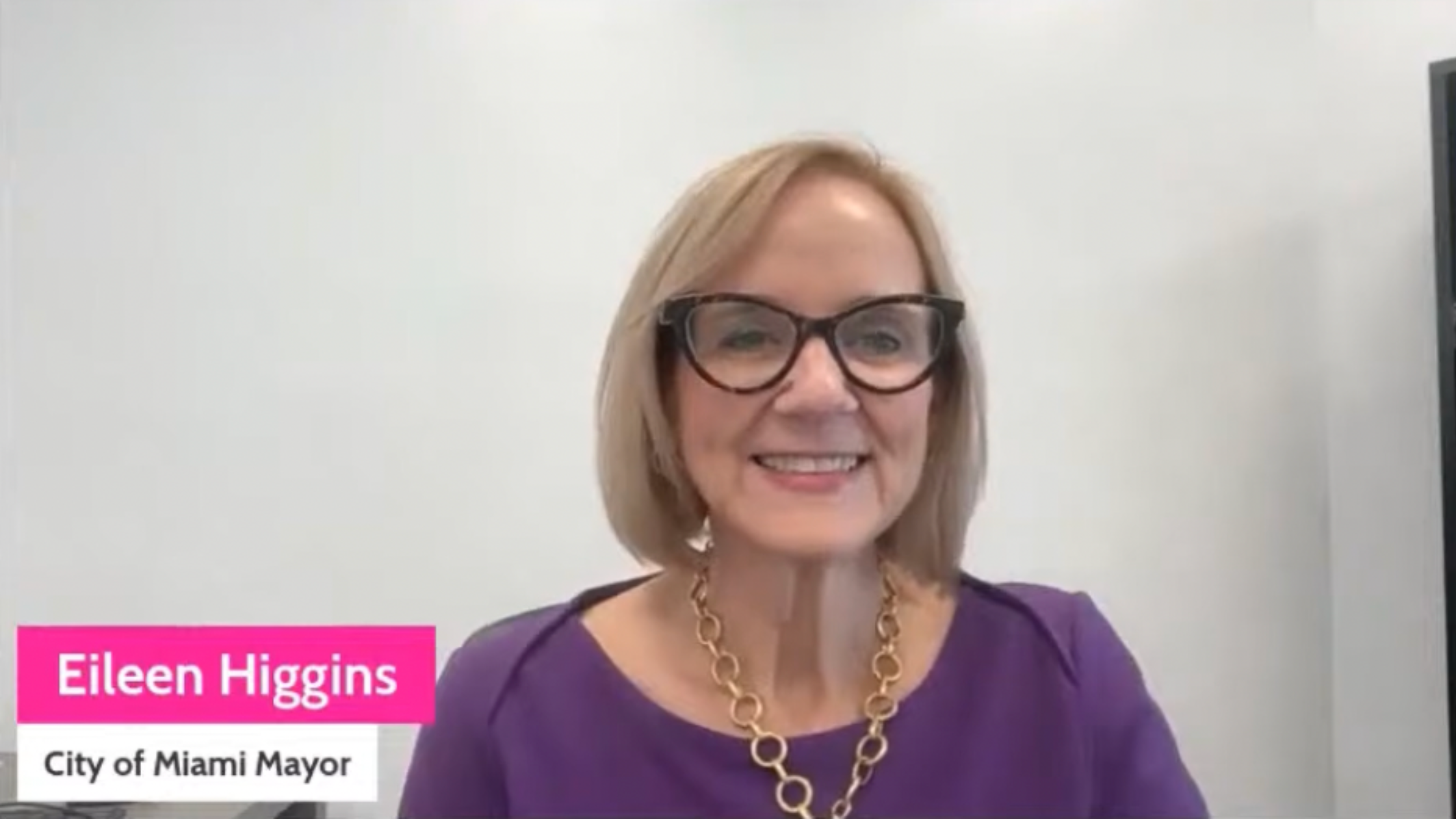
City of Miami Mayor Eileen Higgins is urging residents to support Referendum 1, a proposed $450 million public safety bond that would fund repairs and upgrades to the city’s aging emergency response facilities, along with the construction of four new fire stations.
During an interview on Can We Talk, powered by Hy-Lo News, Higgins discussed the condition of the city’s police headquarters and fire stations, the need for faster emergency response times in underserved neighborhoods and how the bond would be funded.
Higgins said she began visiting city facilities during her first month as mayor and was surprised by the level of deterioration she found.
The city’s police headquarters, she said, was built approximately 50 years ago when the department had about 500 officers. Today, the department has approximately 1,500 officers, and the building has struggled to accommodate its needs.
She described mold-filled windows, water leaking through walls, sewage problems and periods when the building has had to close because of infrastructure issues.
More than half of the city’s fire stations are also over 50 years old, according to Higgins. Some have roofs in poor condition, mold and soot buildup, while others are too small to accommodate modern fire trucks and equipment.
“We need to do it now,” Higgins said, pointing to the condition of the buildings and the potential risks posed by severe weather.
Four new fire stations among proposed improvements
Beyond repairing existing facilities, the Safe and Ready Miami bond would fund four new fire stations in areas where Higgins said residents face longer emergency response times.
She specifically identified Liberty City, North Coconut Grove, South Coconut Grove and Allapattah as areas with gaps in fire and ambulance coverage.
Higgins said some neighborhoods experience emergency response times of eight to 11 minutes, compared with the six-minute national standard she referenced during the interview.
The mayor said those additional minutes can make a significant difference during medical emergencies and house fires.
The bond would also fund a new police headquarters and a public safety facility that would house the city’s 911 call center and emergency operations center. Higgins said the current 911 center has experienced flooding that forced calls to be transferred to the county.
The new facility would also be designed to meet Category 5 hurricane preparedness standards, she said.
What would the bond cost Miami homeowners?
The proposed bond totals $450 million, but Higgins said the average homeowner would pay approximately $2.38 per month.
She described the amount as less than the cost of a cup of coffee, while emphasizing that residents should understand they would be paying for the improvements through their property taxes.
Higgins said the bond would not increase the city’s existing debt millage rate, which has already been established by voters. However, she clarified that homeowners would still see the additional monthly cost beginning next year if the referendum passes.
The mayor also explained that the new police headquarters is expected to cost approximately $300 million. Once the city relocates, the existing police headquarters property could be sold for an estimated $80 million to $100 million.
Higgins said the proceeds from that sale could be used to pay down a significant portion of the bond, potentially reducing the monthly cost to homeowners.
She estimated that a $70 million sale could save homeowners approximately 71 cents per month, while a $100 million sale could save about $1.20 per month.
Those figures are estimates shared by Higgins during the interview.
How will residents know where the money goes?
With a proposed investment of this size, accountability and transparency are important considerations for residents.
Higgins said the bond is structured as a project-based bond, meaning the money can only be spent on projects identified in the city’s plan.
She directed residents to the city’s Safe and Ready Miami website, where they can review proposed improvements at individual fire stations, see where new facilities are planned and track project costs and timelines.
The mayor also said the city plans to provide quarterly reports and conduct an independent audit each year.
A public tracking website is also being developed so residents can follow the progress of individual projects, including whether facilities are in the design, permitting or construction phase.
Higgins said the city is also working to improve transparency around its existing Miami Forever Bond, which has funded projects such as parks, community centers and drainage improvements.
Can local and minority-owned businesses benefit?
During the interview, Can We Talk host Janey Tate asked how the construction projects could create opportunities for local businesses, particularly Black- and minority-owned companies that have historically been left out of major government contracts.
Higgins said state restrictions have limited the city’s ability to establish certain requirements for hiring minority-owned businesses. However, she said the city still awards points to locally headquartered businesses during procurement and encourages contractors to include minority-owned companies as subcontractors.
She pointed to the Liberty Square redevelopment as an example of how subcontracting opportunities can help minority-owned businesses gain experience on large construction projects.
Higgins also discussed career pathways into the city’s police and fire rescue departments, highlighting programs such as Police Explorers, the Police Athletic League and Miami Dade College’s pre-paramedic courses.
She said the city wants its public safety workforce to reflect the community it serves.
What happens if voters reject Referendum 1?
Higgins acknowledged that some residents may oppose the bond because they do not want an additional property tax expense.
If voters reject it, she said, the city’s infrastructure problems will remain, and the cost of addressing them is expected to increase as construction expenses rise.
Higgins estimated that completing the projects five years earlier could have cost approximately $350 million instead of the current $450 million proposal. She said construction costs increase by approximately 4% to 5% annually.
The mayor also addressed whether the city could redirect money from its existing budget to cover the improvements. While that is possible, she said it would require the city to delay or cut other priorities, potentially including parks, community centers, senior programming and neighborhood drainage projects.
Ultimately, Higgins said residents will have to decide whether the proposed investment is worth the cost.
“I’m asking them the truth,” she said, explaining that the referendum gives residents an opportunity to decide whether the city should move forward with the improvements.
Where can residents learn more?
Higgins encouraged residents to visit SafeAndReady.Miami to review the proposed projects and explore emergency response times in different neighborhoods.
The website also includes information about the four proposed fire station locations and the city’s plans for existing public safety facilities.
Higgins urged residents to review their sample ballots and research the referendum before heading to the polls.
Referendum 1 is listed as ballot question 286, according to the mayor’s explanation during the interview. Residents should consult their official sample ballot for the correct ballot designation in their jurisdiction.
Watch the full conversation with Mayor Eileen Higgins on the Hy-Lo News YouTube channel.
0 comments on “City of Miami Mayor Eileen Higgins Breaks Down What’s at Stake With Referendum 1”