

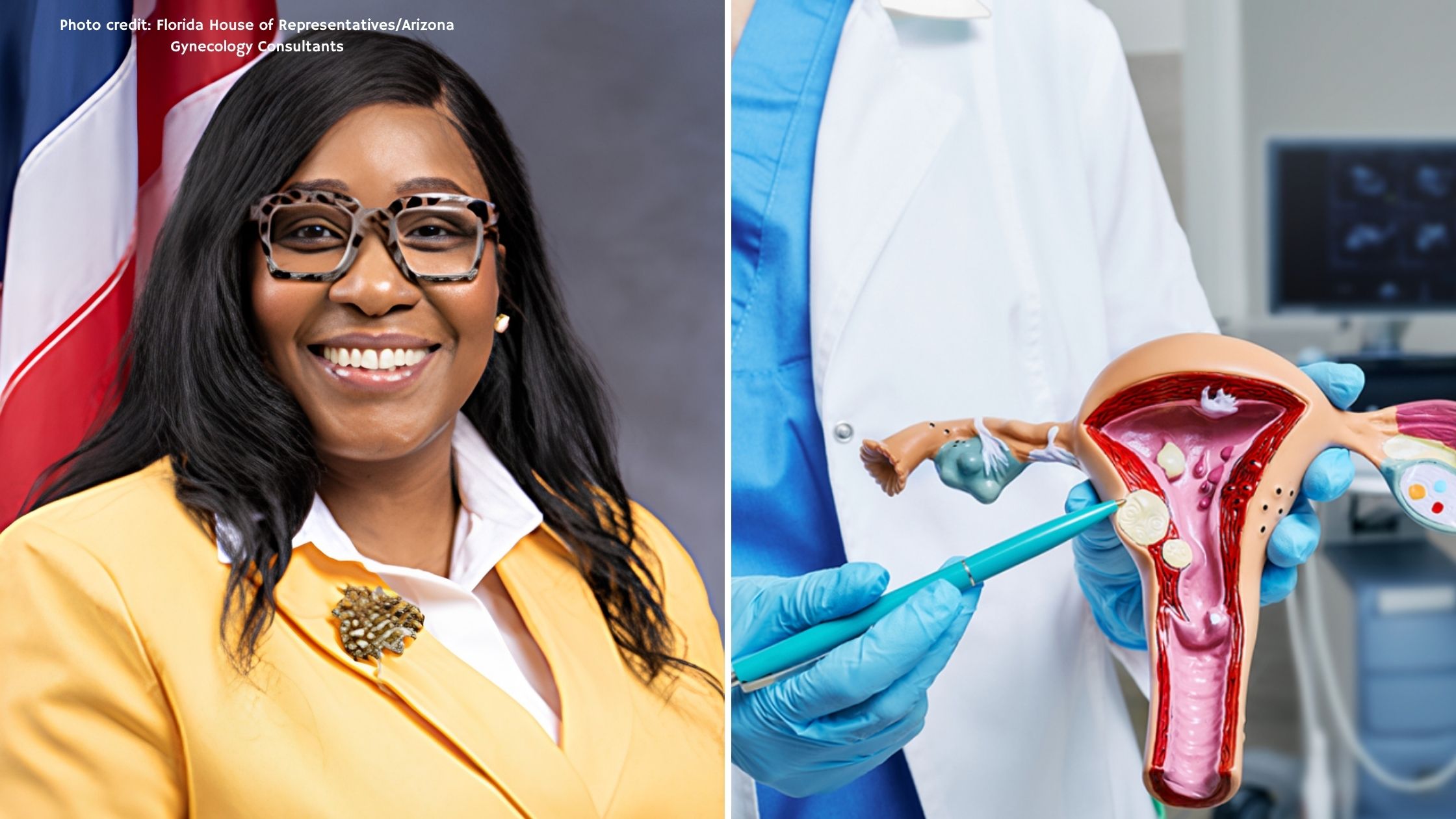
In a historic victory for women’s reproductive health, Governor Ron DeSantis has officially approved legislation to establish a centralized statewide data repository specifically targeting a crisis that disproportionately impacts Black communities. Following its presentation to the executive branch on May 11, 2026, Florida House Bill 327 was signed into law on May 22, 2026, officially establishing the Florida Uterine Fibroid Research Database. The measure, effective July 1, reestablishes and clarifies requirements for the state’s existing database.
For Miami’s Black Gen Z and millennials—a generation currently navigating prime career building, family planning, and reproductive healthcare decisions—the bill arrives at the right time.
Reflecting on the collaborative, multi-generational legislative effort required to advance the issue, Dunkley celebrated the milestone on her official Instagram page.
“What a privilege it has been to continue the fight to put women’s health at the forefront,” Dunkley shared on Instagram. “This bill has been a journey and to know this was all team. My predecessor @repomphroy passed the baton to me and I continued the race. A race I believe is not complete until we have database that will start gathering data to foster research. There is still more journey to take but for now we have won this leg of the race!”
Reporting from the Miami Times outlines that the newly enacted law executes two critical statutory updates to accomplish its research goals. First, it requires the Department of Health to include uterine fibroids on its list of diseases determined to be “a threat to public health.” Second, it deletes the line barring personal identifying information from the database, with that information instead being protected under a public health statute.
Uterine fibroids are non-cancerous muscular tumors that develop in the wall of the uterus, but public health tracking highlights a stark, racially divided reality. Peer-reviewed studies published in the Frontiers in Pharmacology Journal confirm that up to 80% of Black women develop uterine fibroids by age 50, compared to roughly 70% of white women. More critically, a comprehensive systematic review in Fertility and Sterility Journal demonstrates that Black women are diagnosed at significantly younger ages—often in their 20s and 30s—and experience rapid tumor growth alongside more frequent, severe, and debilitating symptoms. These clinical manifestations include severe pelvic pain, bladder issues, prolonged menstrual cycles, and life-altering anemia.
The systemic divide is especially severe regarding surgical outcomes. When seeking relief, Black women face higher rates of open hysterectomies, longer hospital stays, and greater perioperative complications compared to white women. According to data published in the Journal of Women’s Health, Black women are 2.4 times more likely to undergo a hysterectomy and face a significantly higher predicted probability of undergoing the most invasive surgical treatments even after controlling for socioeconomic factors and insurance type. Conversely, while minimally invasive alternatives like Uterine Fibroid Embolization are highly effective, broad national trends indicate they remain underutilized due to profound regional and socioeconomic disparities in care delivery.
The radical disparity in fibroid diagnosis and treatment is deep-seated in structural systemic issues. Qualitative research outlined by the American Medical Women’s Association demonstrates that Black women frequently experience gendered racism and intersectional invisibility within healthcare settings, reporting that their intense pain and excessive bleeding are routinely minimized, dismissed, or misattributed by medical providers. According to the American Journal of Obstetrics and Gynecology, this continuous clinical dismissal fosters widespread mistrust in providers and delays critical early interventions until symptoms become severely advanced.Comprehensive details on the database framework and ongoing amendments can be monitored through the official Florida Legislature Tracking Portal.
Sign up for our weekly email newsletter and watch our weekly LIVE podcast news show every Thursday at 5:30pm. Subscribe to our YouTube page to get alerts for the show.
Do you have news to share? If so, send Hy-Lo News your story ideas by clicking HERE.
0 comments on “Rep. Lisa Dunkley-Sponsored Bill Signed Into Law, Combats Disproportionate Impact of Uterine Fibroids on Black Women”