

By Keneesha Crawford
As development continues reshaping neighborhoods across Miami-Dade, many longtime Black residents are grappling with a familiar question: How do you preserve culture, history, and community in a city that is constantly changing?
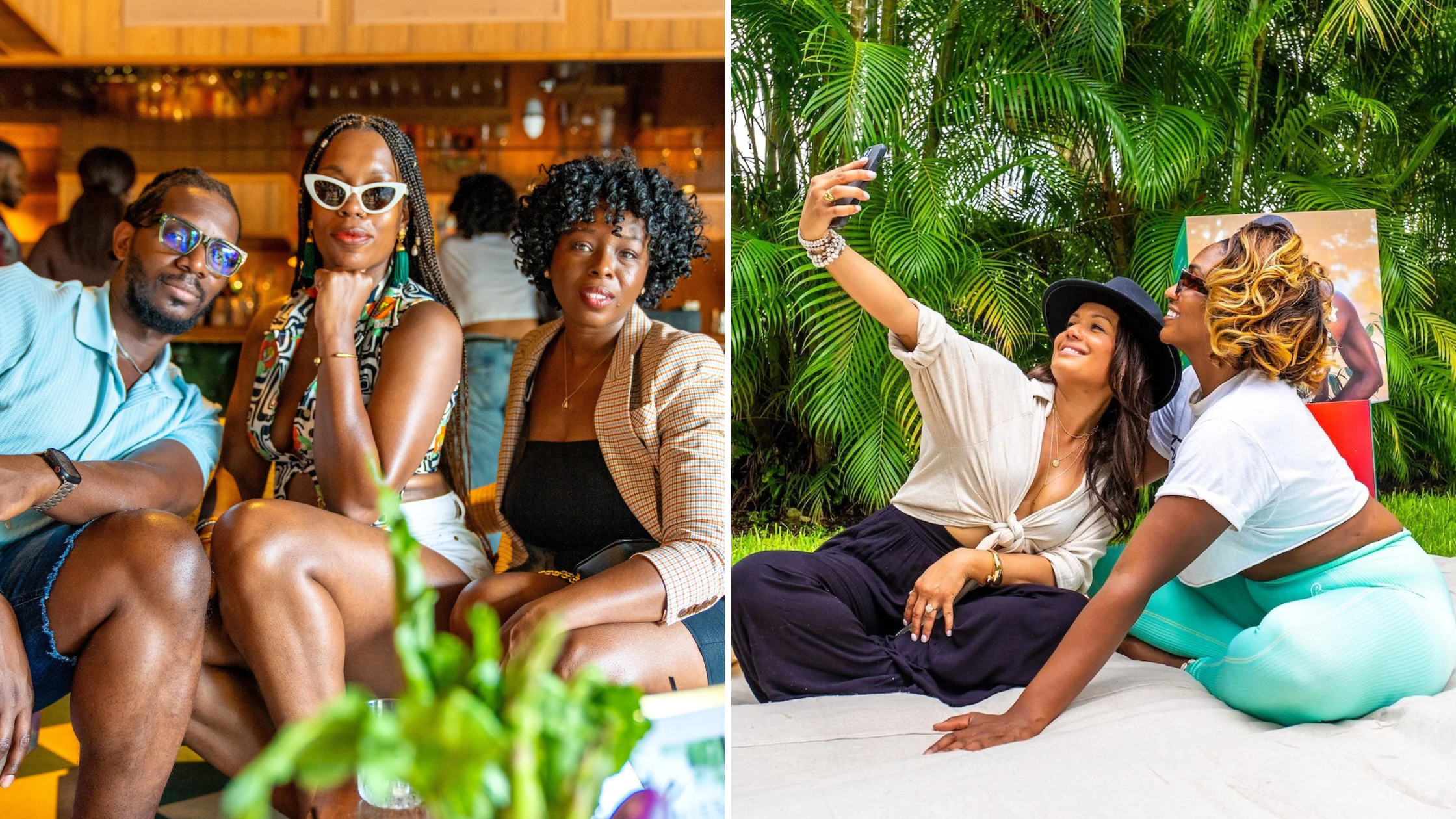
That conversation sat at the center of Black Miami Weekend, a community-centered experience curated by Frolic Culture and its founder, CiCi Battle. Designed to celebrate Black Miami while creating opportunities for connection, reflection, and cultural preservation, the weekend brought together residents and visitors alike to engage with the stories, people, and places that have helped shape the city. The weekend’s digital visual identity was created by Mariama Gregory.
The idea was born from a sentiment Battle had heard one too many times.
“People would always say to me, ‘There are no Black people in Miami,'” Battle said. “And I would reply, ‘I am a third-generation Black Miamian — there are Black people here. But Miami is so segregated. That’s why we’re all separated.’ So I said, you know what, let’s create a weekend for people to tap in. An opportunity for travelers who want to tap into Black Miami, but also an opportunity for Black Miamians to get to know other Black Miamians.”
Held during the same month as Florida’s Emancipation Day, which is commemorated annually on May 20 and marks the day enslaved people in Florida learned they had been freed, Black Miami Weekend offered participants an opportunity to celebrate while also reflecting on the history, identity, and legacy of Black communities throughout South Florida.
Founded as a platform dedicated to highlighting Black culture, community, and experiences in Miami, Frolic Culture intentionally partnered with local organizations and cultural leaders doing meaningful work across the region. The weekend featured collaborations with Nadège Green of Black Miami-Dade and KeyMIA of Key2MIA, among others.
Programming included an art experience at The Bass in Miami Beach, a community teach-in at Legion Park, and a Black Miami History Tour. Together, the events encouraged participants to explore Miami through a lens that is often overlooked in mainstream narratives about the city.
For Battle, creating environments where people feel seen and valued is just as important as the programming itself.
“If we want to center the folks who have been intentionally marginalized, we have to create spaces where they can be themselves — where they can be celebrated, where no one is going to wonder what they’re wearing or if they have to look over their shoulder,” she said. “Spaces that are safe, where all are welcome, but Black and Brown are centered.”
For many attendees, the weekend represented more than entertainment. It was an opportunity to connect with a deeper understanding of Miami and the communities that have long called it home.
“People forget that Black folks are an integral part of Miami,” attendee Armando said. “When you look at the city you see Ocean Drive, a vibrant Latin culture, beautiful beaches — all of that is important. But what you don’t see is the foundational Black folks who have been here for generations.”
That sense of connection resonated with others throughout the weekend.
“Feeling the sense of family with people I don’t even know — I’ve never experienced that before,” attendee Jade Lilly said.
As Miami continues to evolve, conversations about growth increasingly include questions about preservation, representation, and whose stories are remembered. Black Miami Weekend sought to contribute to that conversation by creating opportunities for people to engage with the city’s history while building community in the present.
For Battle and Frolic Culture, the mission remains straightforward: Culture survives when communities actively choose to protect it.
Sign up for our weekly email newsletter and watch our weekly LIVE podcast news show every Thursday at 5:30pm. Subscribe to our YouTube page to get alerts for the show.
Do you have news to share? If so, send Hy-Lo News your story ideas by clicking HERE.
0 comments on “How Black Miami Weekend Is Preserving Culture, Community and History in a Changing City”