

Written by Rev. M. Theolene Johnson
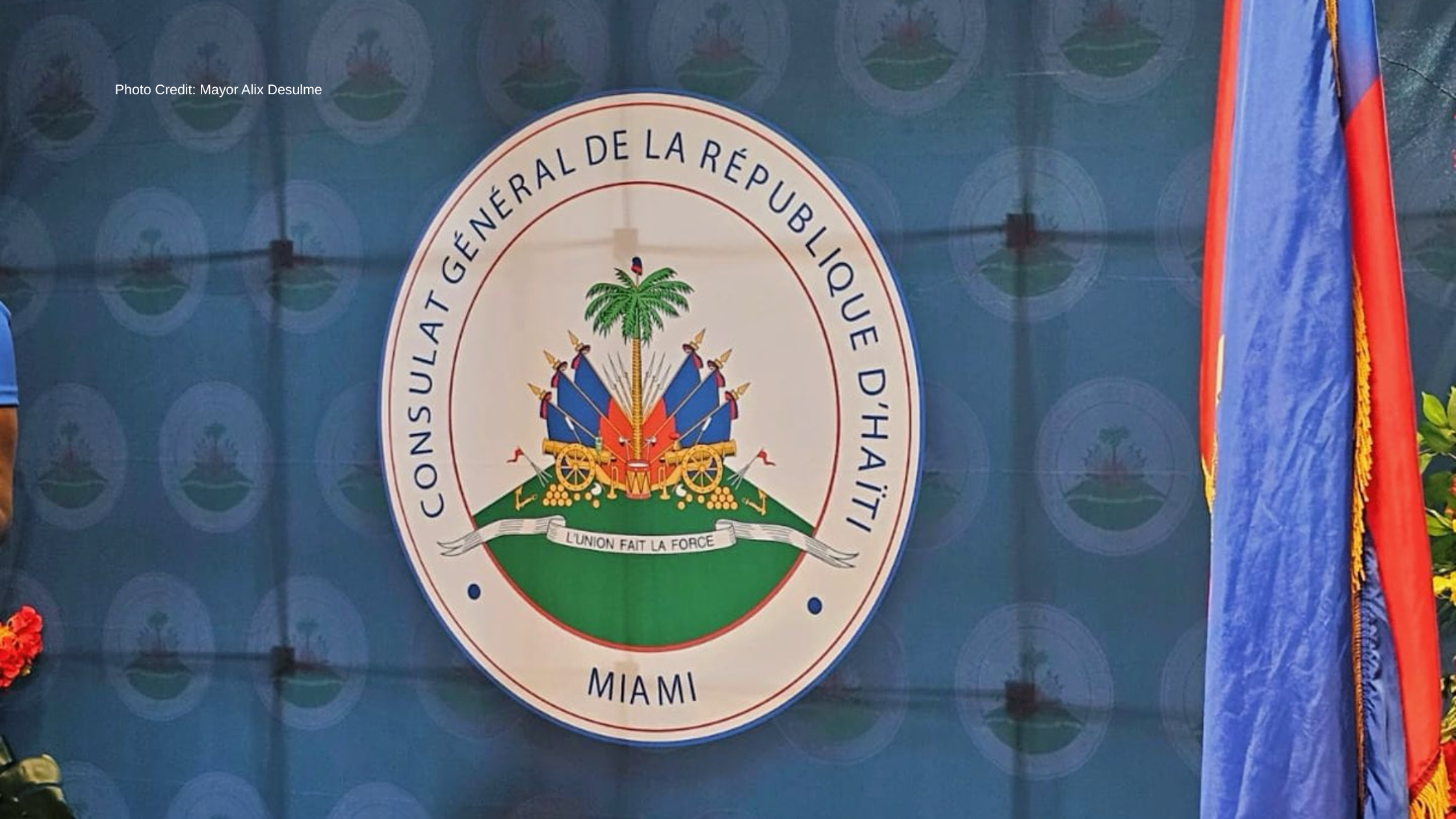
The announcement that the Haitian government has officially broken ground on a new consulate in North Miami is sparking a complex debate across the Haitian diaspora. While many see it as a step toward dignity, access, and modernization of services abroad, others are questioning the $6 million investment at a time when Haiti continues to face severe national challenges.
The Facts Behind the Move
The Launch: Construction on the new consular facility officially began on May 6, 2026, with Prime Minister Alix Didier Fils-Aimé and senior government officials present.
The Design: The project is described as a modern multi-level consular center designed by architect Rodney Leon, internationally recognized for civic and memorial works, including the UN’s “Ark of Return.”
The Location: The relocation from the Brickell area of Miami to North Miami positions the consulate within one of the most concentrated Haitian diaspora corridors in the United States, strengthening geographic access to services for the community it primarily serves.
The Funding: The estimated $6 million project is reported as being financed through Haitian government resources allocated to diplomatic and consular infrastructure abroad.
Reclaiming the “Community Access Cost”
A central argument supporting the move is improved access and reduced structural barriers for the Haitian diaspora in South Florida. For years, accessing consular services in Brickell has required long commutes into a financial district where transportation, parking, and time constraints function as an informal cost of access for everyday residents.
From a policy perspective, relocating the consulate to North Miami shifts government services closer to the population they serve. This reduces logistical friction and improves service accessibility for working families, elders, and residents who depend on in-person consular support.
Economically, consular activity also generates localized spending in surrounding communities through transportation services, food vendors, printing services, and small business engagement. This relocation therefore redistributes civic-driven economic activity into a different local ecosystem within the diaspora footprint.
The Priority Debate
As with most public investments, there is no single consensus. Critics argue that Haiti continues to face urgent domestic challenges, including strain on healthcare systems and severely constrained operation in key national infrastructure, such as the Toussaint Louverture International Airport and The General Hospital in Haiti.
From this perspective, the central question is one of national prioritization: whether diplomatic infrastructure abroad should take precedence over immediate domestic recovery needs during a period of ongoing national instability.
The Diplomatic Coordination Strategy
A third perspective frames the consulate not only as a service center, but as a strategic coordination hub for diaspora engagement and international diplomacy.
In this view, strengthening consular infrastructure in South Florida enhances the government’s ability to connect with its diaspora population, streamline services, and support broader diplomatic efforts tied to mobility, documentation, and international advocacy.
Supporters of this approach argue that effective diaspora coordination can also play a role in broader national recovery efforts by helping mobilize resources, advocacy networks, and international partnerships connected to Haiti’s long-term stability.
The Bottom Line
The new consulate represents a shift in how Haitian diplomatic services are positioned within the global diaspora landscape. Whether viewed as an investment in accessibility and community-centered governance, or debated as a competing priority during national crisis conditions, the project highlights a broader policy tension: how Haiti balances domestic recovery needs with the structural realities of its global diaspora system.

Rev. M. Theolene Johnson (theorisingeko) is a member of Florida Rising and a U.S. Army Combat Veteran, Global Advocate, and the Founder of the U.S. Global Advocacy & Development Foundation (USGADF). She is a certified human rights consultant and co-owner of J&A Blinds and Windows Enterprises, LLC, who facilitates reason-based community discussions. Connect with her on LinkedIn, IG or view her upcoming events on Eventbrite.
Hy-Lo News encourages community members, thought leaders, social commentators, experts, and really ANYONE to submit commentary that expresses their opinion and shares their point of view. The views they express in their Op-Eds are their own, but we believer in the right to provide people a platform to share them. However, we will never condone or publish hate speech, violence, bullying and anything our editorial team deems problematic.
0 comments on “OP-ED | A Landmark for the Diaspora: Why the New Haitian Consulate in NoMi is More Than Just a Building”