

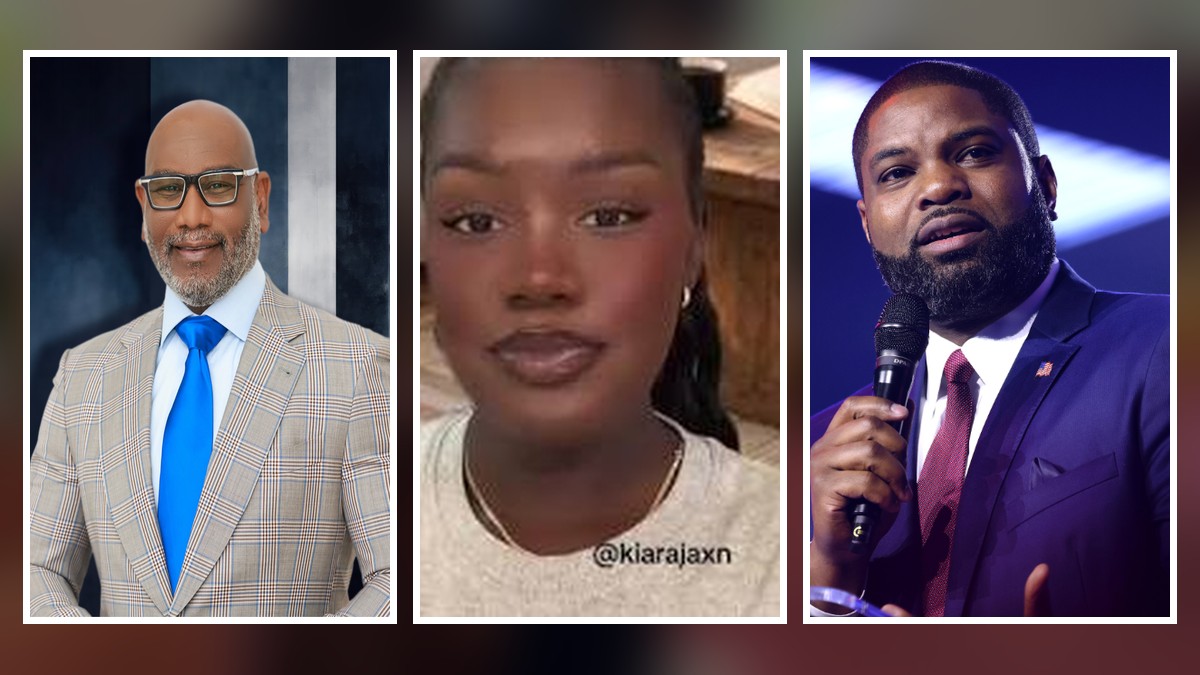
A Miami Gardens pastor gave Byron Donalds his sanctuary. A member walked out and called it a sellout. Both of them think they are defending the Black church. A minister sorts it out.
Written as a minister. On Byron Donalds at Antioch Missionary Baptist in Miami Gardens, the churchgoer who walked out, and what the Black pulpit is for. The account of the walkout is drawn from the congregant’s own video. Disclosure: I know the Jackson family at Antioch and count them as friends in the ministry.
At Antioch Missionary Baptist Church in Miami Gardens, Pastor Arthur Jackson III gave his pulpit, or at least his platform, to Byron Donalds, the Republican running for governor. A congregation member named Kiara got up, walked out, and posted a video saying she was done. She called the pastor a con and a sellout, said she would no longer give her tithe there, said a man like Donalds had no business in the pulpit of the church, and told people to report the church to the IRS. Her video drew widespread agreement. Donalds, for his part, shrugged it off, describing a lady who came by after the service grilling him, saying that is just what happens when you step into politics.
Two people, same church, same Sunday, and both of them believe with their whole heart that they are protecting the Black church. I want to take both of them seriously, because the easy version of this story picks a villain, and the real one is harder and more useful than that.
Let me start with the pastor’s defense at full strength, because it is real. A Black church is not a political party; historically, the Black pulpit has hosted all kinds of leaders, made its sanctuary a public square, and let candidates from both parties come and make their case to the people. There is a long and honorable tradition of the church as the place where the community sizes up the powerful face to face, and a pastor can reasonably say that letting a man speak is not the same as endorsing him, that his people are grown and can weigh a candidate for themselves, and that a church that only platforms one party is doing its own kind of politics. If Jackson gave Donalds a platform and not an endorsement, that is a defensible thing a pastor can do, and the congregant who heard “endorsement” may have heard more than was said. Grant that fully.

Now the member’s case, just as fairly, because she is not wrong to be angry, and she is reaching for a real line. There is a difference between hosting a candidate and handing him the sanctuary; the pulpit, specifically, is not neutral ground. It is the most sacred space in the Black church, the place from which the Word is preached, and what happens there carries the church’s authority whether the pastor intends it or not. When a politician stands in or near that space, the room’s trust transfers to him, and a congregant who believes that transfer was unearned, and aimed at a man whose record she sees as against her people, has every right to vote with her feet and her tithe. And her point about the IRS is not a tantrum. It is a real legal line. A church’s tax-exempt status genuinely restricts political endorsement from the pulpit, and that line exists to police whether a platform crossed into endorsement.
I should say where I stand before I say where I land. I know Pastor Arthur Jackson, and I know his brother, Pastor Alphonso Jackson, and Alphonso’s son, Pastor Alphonso “Al” Jackson Jr. of Greater New Macedonia Missionary Baptist Church, even better. I count them as great friends in the ministry, and I know their hearts. They want this community better informed. Granting somebody access to the community, whether we like them or not, is what a standard bearer does.
I have also been on the other side of that door. When Andrew Gillum was running for governor, I was the operative arranging visits for him and my candidate, Annette Taddeo, to seven churches in South Miami-Dade; Pastor Alphonso Jackson of Second Baptist Church in Richmond Heights; and the list of South Dade clergy who made our sacred spaces available so the community could feel connected to the process. Whether we want to acknowledge it or not, the Black church is where our voices and our power show up. Candidates need to walk into those rooms and take the hot seat of our conviction, under the weight of accountability. That is not a sellout. That is the job.
So here is where I land, as a man who has stood in a pulpit and knows what it costs and what it means. The pastor and the member are fighting about the right thing, which is what the pulpit is for, and they are both half right, which is why it hurts. The pulpit is not a campaign stop, and it is not a fortress either. The honest standard is not “never let a politician near the church,” and it is not “let anyone speak and call it neutral.” It is this: the pulpit can host the powerful, but it must never let others borrow its authority. A pastor can bring a candidate in to be questioned, held to account, and made to face the people, and that is the church at its prophetic best. A pastor who brings a candidate in to be blessed, to borrow the sanctuary’s trust and carry it back out to the campaign, has given away the one thing the Black church was never supposed to sell: its moral authority, and no tithe or photo op is worth that trade.
Which was it at Antioch? I wasn’t in the room that Sunday, so I won’t pretend I watched it. But I know the family that leads that church, and I know what they have spent their lives building. Bringing a Republican candidate before a Black congregation, a man many in those pews disagree with, is not handing him the church’s blessing. It puts him where people can see him. And the fight over it is worth having out loud in every Black church in Florida before the election, because the pews are about to fill with candidates who understand exactly how much that trust is worth.
The Black church survived slavery and Jim Crow and COINTELPRO without selling its pulpit, and it survived by staying the place where the powerful had to face the people. Kiara was right to care about that pulpit, and she had every right to walk out and move her tithe. But calling a pastor a con and a sellout, and telling people to report a church to the IRS for hosting a candidate, goes way too far. That is not guarding the church. That is punishing it for doing what it has always done. A congregation that shuts its doors to every candidate it dislikes does not protect its authority; it gives it up. The answer to Byron Donalds in a Black pulpit is not to burn the church down. Fill the pews, ask the hard questions, and make him answer them under the weight of our eyes.
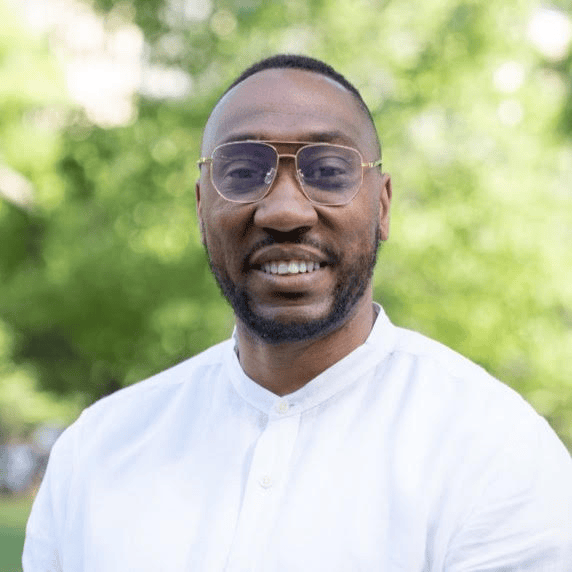
Denzel D. Burnside III is a Miami-Dade native, a minister, and a former organizer and campaign manager. He founded and leads the North Carolina Housing Table as executive director. He also founded The State (readthestate.com) and The Operative Ledger (operativeledger.com).
Hy-Lo News encourages community members, thought leaders, social commentators, experts, and really ANYONE to submit commentary expressing their opinions and sharing their points of view. The views they express in their Op-Eds are their own, but we believe people have the right to a platform to share them. However, we will never condone or publish hate speech, violence, bullying, or anything our editorial team deems problematic.
To submit your Op-Ed, email us at info@hylonews.com.
0 comments on “OP-ED | Who Gets the Pulpit: A Pastor, a Walkout, and What the Black Church Is For”