

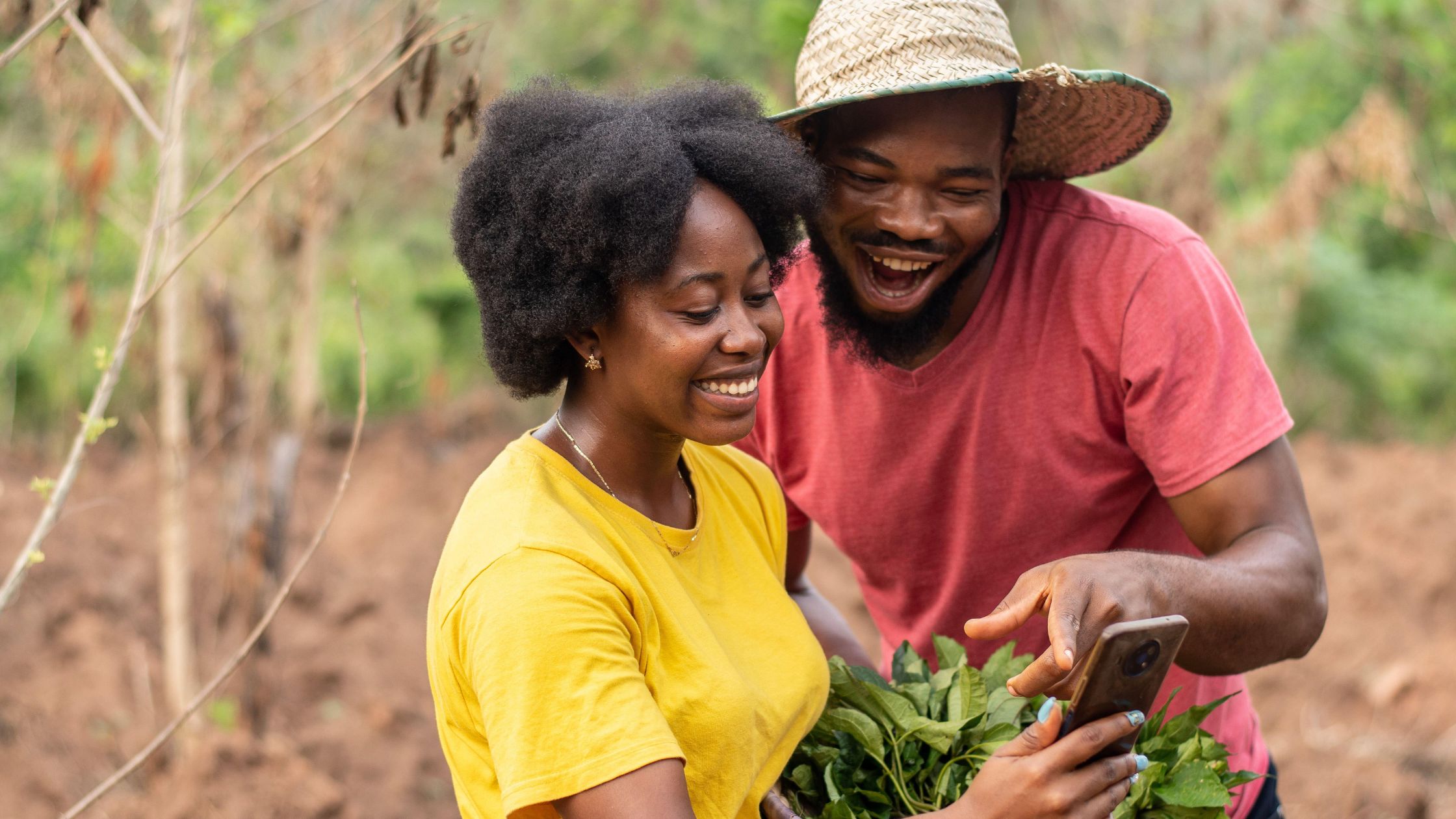
Black farmers in Florida continue to confront the enduring legacy of land loss and unequal access to capital that decimated minority-owned farming operations over the past century. According to agricultural census data, Black producers make up roughly 3.5% of all Florida farmers, and their farms are often significantly smaller than the statewide average, according to WUFT.
More specifically, according to the USDA Census of Agriculture, South Florida’s Black farming community is centered in Miami-Dade County, which leads the region with 101 Black or African American producers operating 95 farms. Neighboring Palm Beach County follows with 64 producers on 53 farms, while Broward County accounts for approximately 61 producers on 40 farms. These operations in the tri-county area are predominantly small-scale, with 72% to 79% of farms consisting of fewer than nine acres and focusing primarily on nursery crops, tropical fruits, and vegetables.
Local leaders, such as the President of the Florida Black Farmers and Agriculturalists Association, emphasize ongoing challenges as cited within Public News Service: access to affordable land, equipment, and financing remains limited, and development pressures have forced some long-standing farm families off the land.
In recent years, federal payouts aimed at addressing historic discrimination — including a $2.2 billion USDA payment program — have provided some relief. But advocates say the funds amount to a small fraction of the farmland and wealth lost by generations of Black farming families. In Florida’s 3rd Congressional District, 53 Black farmers shared about $4.5 million in USDA payouts, with most receiving between $10,000 and $50,000 — sums that often cover only basic operating costs, reported by WUFT.
State and federal legislative sessions have included growing attention to agriculture policy and disaster relief programs, including nearly $676 million in USDA disaster assistance for Florida farmers struck by recent hurricanes.
Florida’s Farm Bill is emerging as a major legislative effort aimed at bolstering the state’s agricultural industry by protecting farmers from financial discrimination tied to environmental, social, and governance (ESG) policies and by building on recent actions to support historically underserved Black farmers.
The legislation, announced by Florida Agriculture Commissioner Wilton Simpson and sponsored by Senator Keith Truenow and Representative Kaylee Tuck, would prohibit financial institutions from discriminating against agricultural producers based on ESG factors — such as greenhouse gas emissions or fertilizer use — while still allowing lenders to base decisions on traditional measures like credit scores and documented risk analysis. The provisions reflect language in Senate Bill 700, which broadly bars banks from denying services to farmers because of ESG commitments and empowers the state to enforce those protections through the attorney general’s office.
“ESG lending discrimination is an existential threat to American agriculture,” Commissioner Simpson said in a statement earlier this year. “This legislation defends Florida farmers, ranchers and growers who fuel our economy.”
The Farm Bill also includes a range of related proposals intended to strengthen rural communities, from expanding emergency preparedness efforts and supporting youth agricultural programs like FFA and 4‑H to enhancing consumer protections and clarifying agricultural land uses; however, the ESG lending language has emerged as one of the most discussed components.
The state has also taken targeted action: legislation passed in March 2024 (effective 2025) enabled Black farmers to “cure” deficiencies in medical marijuana cultivation license applications, and Senate Bill 1582, signed the following June, allowed additional cultivation licenses to be awarded to three Black farmers after years of legal and legislative challenges.
Advocates on both sides say the outcome will signal how Florida balances economic opportunities for farmers with broader systemic challenges that have shaped the state’s agricultural landscape for generations.
Sign up for our weekly email newsletter and watch our weekly LIVE podcast news show every Thursday at 5:30pm. Subscribe to our YouTube page to get alerts for the show.Do you have news to share? If so, send Hy-Lo News your story ideas by clicking HERE.
0 comments on “Black Farmers in South Florida: The Fight for Land and Legislative Support in a Rural Renaissance”