

By N. Street
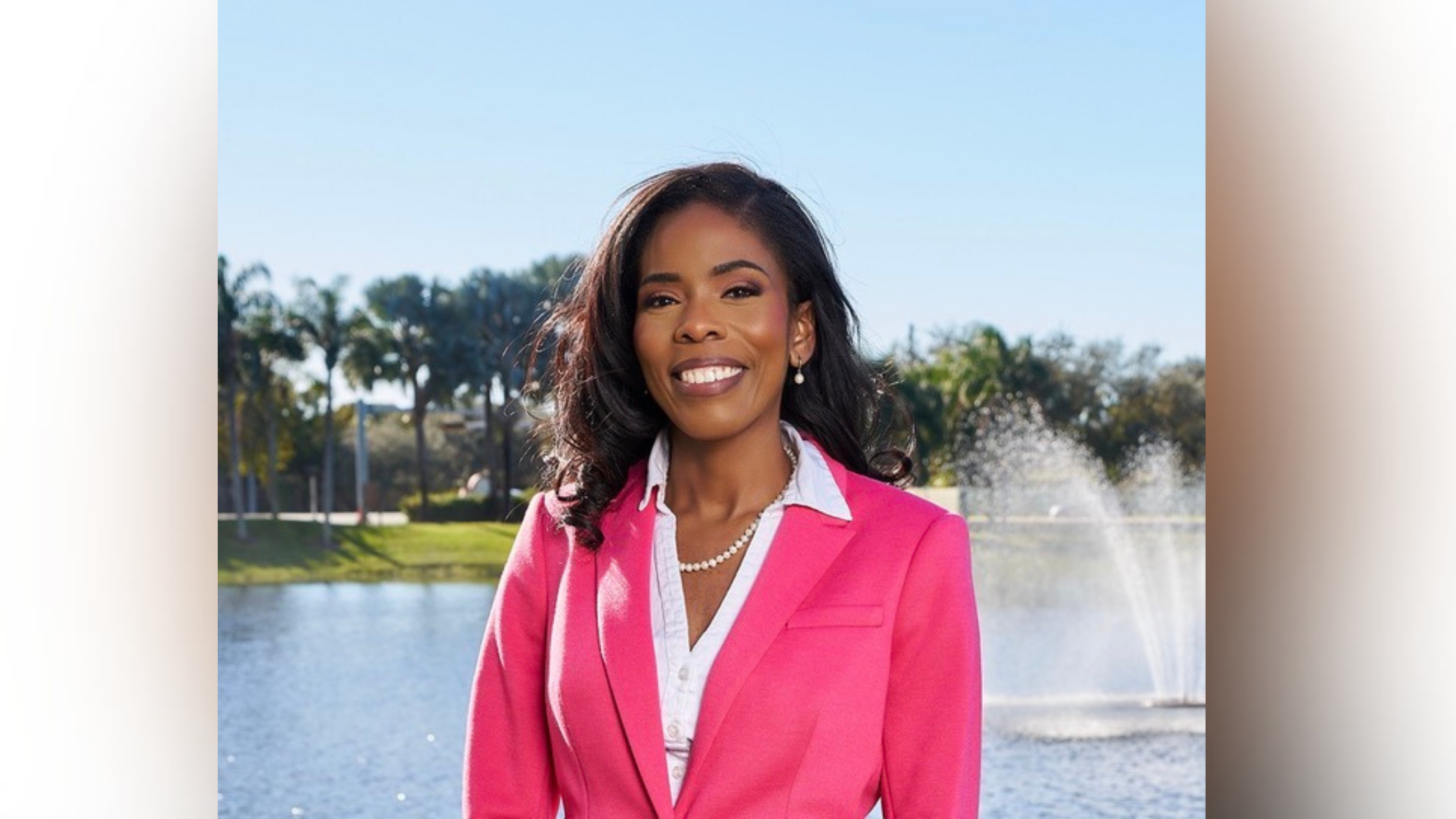
Veronica Walker has called Miramar home since 1993 and has dedicated her career to serving the people of Broward County. A graduate of Miami Central Senior High School, she earned her Bachelor’s and Master’s degrees from Tennessee State University, a Historically Black College and University (HBCU), before receiving her Juris Doctor from Barry University School of Law. As a prosecutor with a decade of courtroom experience, Veronica currently serves as Chief of the Hate Crimes Unit and Chair of the Broward County Hate Crimes Task Force, where she works to ensure justice is administered fairly and impartially.
Walker responded to Hy-Lo News’ candidate questionnaire, sharing insights into her legal experience, judicial philosophy and the qualities she believes she would bring to the bench. Here’s what she had to say.
What judicial group are you running for?
Broward County Court, Group 11
When is your election date?
August 18th
In plain language, what kinds of decisions would a judge in this position make? How could those decisions affect the daily lives of local residents—even people who never enter a courtroom?
A County Court Judge presides over what is often called “the people’s court” because it handles many of the cases that directly affect our neighbors and communities. These include misdemeanor criminal offenses such as DUI, theft, domestic violence, and traffic-related crimes, as well as civil disputes involving smaller amounts of money.
The decisions a County Court Judge makes can have a lasting impact on victims, defendants, families, and the community as a whole. Judges determine whether someone is released before trial, whether evidence may be used in court, whether a defendant is guilty or not guilty, and what sentence is appropriate when someone is convicted. Those decisions require fairness, sound judgment, and careful application of the law. Even people who never step into a courtroom are affected by these decisions. A fair and effective court system promotes safer communities, protects individual rights, and builds public confidence that everyone will be treated equally under the law. When people trust that the courts are fair, it strengthens the entire community.
How long have you been a lawyer, and what kinds of legal work have you done (prior to this campaign)?
I have been a lawyer for ten years, spending my entire legal career as a prosecutor with the Broward State Attorney’s Office. During that time, I have handled thousands of criminal cases, ranging from misdemeanors to life felonies, and have appeared in court nearly every day. My experience includes jury trials, bench trials, evidentiary hearings, motion practice, plea negotiations, and daily courtroom litigation. I have served in several divisions, including misdemeanor, felony, identity theft, public corruption, and I currently serve as Chief of the Hate Crimes Unit. Beyond the courtroom, I chair the Broward Hate Crimes Task Force, where I work with law enforcement, educators, community organizations, and federal partners to improve public safety, educate the community, and strengthen trust in the justice system.
List 2 cases where you were lead or co-counsel and why they are significant.
The Mango Case- As the lead prosecutor, I handled a case involving a man who entered a homeowner’s yard and picked mangos and limes from fruit trees. In South Florida, many people have fruit trees in their yards, so it’s a situation that many residents can picture. However, because he entered someone else’s property without permission and had a prior criminal record, he was facing a felony charge and the possibility of a lengthy prison sentence. After carefully reviewing the case, I believed that while the defendant should be held accountable for his actions, the potential punishment did not fit the conduct. I worked through the review process and ultimately received approval to reduce the charge. The case was resolved with a misdemeanor conviction and credit for the time he had already served. This case has stayed with me because it reflects an important lesson: justice is not about seeking the harshest punishment possible. It’s about making thoughtful decisions that are fair, hold people accountable, and fit the unique facts of each case. That balanced approach is one I would bring to the bench as a County Court Judge. Hate Crime Case- As the lead prosecutor, I handled a case involving allegations that a man was brutally attacked because of his sexual orientation. The victim suffered life-changing injuries, including the loss of his eyesight. The case received significant public attention and deeply affected many members of the community. As the investigation continued, it became clear that important evidence had been lost or was no longer available. Furthermore, the victim could no longer identify his assailants with certainty. After carefully reviewing everything that remained, I concluded that I could not ethically prove the case beyond a reasonable doubt. As difficult as it was, I made the decision to dismiss the charges after discussing the issues with the victim. This case was one of the most challenging because everyone wanted answers, especially the community. Our justice system depends on making decisions based on the evidence—not emotion, public pressure, or the seriousness of the allegations. Sometimes the hardest decision is recognizing that the evidence is not enough. That experience reinforced my commitment to fairness, integrity, and following the law, even when the outcome is difficult. As Chief of the Hate Crimes Unit, I remain deeply committed to holding offenders accountable whenever the evidence supports it. This case reminded me that protecting the integrity of the justice system sometimes requires making difficult decisions, because fairness depends on following the evidence wherever it leads.
How would you or do you make sure every person has a fair chance to be heard?
I believe it’s important that every person who comes into a courtroom feels seen, respected, and heard. Even when a judge cannot rule in someone’s favor, people deserve to know that they had a meaningful opportunity to tell their story and that their arguments were genuinely considered. One of the most important lessons I learned came from watching my grandfather. Before making any decision, he listened. He believed that people want to know they have been heard, and that has stayed with me throughout my career. As a judge, I would ensure that everyone has a fair opportunity to be heard while keeping the courtroom respectful, efficient, and focused. Every person deserves access to justice and the chance to have their voice heard before decisions that may affect their lives are made. I believe listening carefully leads to better decisions and greater confidence in the judicial system.
What community service, volunteer work, teaching, mentoring, or other activities have helped you understand the people this court serves?
Throughout my career, I’ve made it a priority to be involved in the community, not just the courtroom. As Chair of the Broward Hate Crimes Task Force, I’ve worked with law enforcement, educators, faith leaders, nonprofit organizations, and community members to address issues affecting people from all walks of life. Those conversations have given me a deeper understanding of the challenges many families face and the importance of building trust in our justice system. I also enjoy mentoring students and young professionals who are interested in careers in law and public service. I’ve spoken at local schools, colleges, and community organizations about the legal system, civic responsibility, and opportunities in the legal profession. I believe education helps people better understand their rights and builds confidence in our courts. In addition, I’ve served on the Broward Social Justice Task Force, the Criminal Justice Advisory Board at Keiser University, and the board of EDGE, Inc.,These experiences have allowed me to hear directly from residents with different backgrounds, perspectives, and life experiences. The people who come before the court are more than case numbers. They are our neighbors, parents, workers, students, business owners, victims, and families. Those experiences have strengthened my commitment to treating every person with dignity, listening carefully, and applying the law fairly.
Judges must sometimes make decisions they personally dislike. Please give an example of a time when you followed the law or your professional duties even though you had personal concerns
One example that stands out involved a hate crime prosecution. As Chief of the Hate Crimes Unit, I have dedicated much of my career to supporting victims of bias-motivated crimes and holding offenders accountable. In this case, the victim suffered devastating injuries, and I understood how important the case was to the victim and the community. As the case progressed, however, key evidence was no longer available, and after carefully reviewing the remaining evidence, I concluded that I could no longer ethically prove the charges beyond a reasonable doubt. Although dismissing the case was personally difficult, my professional duty required me to follow the law and the evidence—not my emotions or the public’s expectations. That experience demonstrated that justice is not measured by whether a prosecutor or judge reaches a desired outcome. It is measured by faithfully applying the law, protecting the integrity of the process, and making decisions based on the facts and the evidence, even when those decisions are difficult.
List current memberships in civic, social, business and social organizations.
Vice President, Legislative & Social Action, National Black Prosecutors Association Chair, Broward County Hate Crimes Task Force Member, Broward Sheriff’s Office Social Justice Task Force Member, Broward County Bar Association Member, The Florida Bar Member, National Bar Association Member, T.J. Reddick Bar Association Member, Virgil Hawkins Bar Association Member, Bernice Gaines Dorn Black Women Lawyers Association
Is there anything you would like to share with voters that we did not ask?
I decided to run for County Court Judge because I believe the people of Broward County deserve a judge who is experienced, prepared, and committed to treating every person with fairness, integrity, and respect. County Court is often called “the people’s court” because it is where many individuals have their first interaction with the justice system. Those moments matter. For nearly a decade, I have been in court every day handling thousands of cases, making difficult decisions, trying cases before juries, and working with victims, defendants, attorneys, and law enforcement. My experience has taught me that justice requires more than knowledge of the law—it requires preparation, sound judgment, humility, and the willingness to listen. If elected, I will work every day to ensure that everyone who enters my courtroom is treated with dignity, that every decision is guided by the law and the facts, and that the public can have confidence in the fairness and integrity of our courts. It would be an honor to serve the community that has been my home my entire life.
Why do you deserve the vote? Please answer with references to your experience and public record, not endorsements.
I respectfully ask for your vote because I have spent my career preparing for this role. For nearly a decade, I have served as a Broward County prosecutor, handling thousands of cases ranging from misdemeanors to life felonies. I have tried cases before juries, argued evidentiary hearings, made difficult charging decisions, and appeared in court on a daily basis. Beyond the courtroom, I have demonstrated a commitment to public service. I serve as Chief of the Hate Crimes Unit and Chair of the Broward County Hate Crimes Task Force, where I work with law enforcement, educators, faith leaders, and community organizations to improve public safety and strengthen trust in the justice system. I also serve on the Broward Social Justice Task Force, mentor aspiring attorneys, and volunteer throughout our community. My public record reflects fairness, integrity, sound judgment, and a commitment to treating every person with dignity and respect. I believe County Court deserves a judge who is prepared on day one, understands the realities of a busy courtroom, and will faithfully apply the law without fear, favor, or bias. It would be an honor to earn your trust and your vote.
Hy-Lo News wanted to help South Florida residents understand the experience, public record, and responsibilities of candidates seeking judicial office. Judges matter, and impact the day-to-day life of everyone in our community. All candidates in groups 5, 11, 12, 35, 52, and 69 were invited to participate and were given adequate time to reply. If a candidate did not submit responses, they were not included in our coverage.
Due to ethical constraints set by Florida law, incumbents are able to speak about their cases, and therefore were given three additional questions to speak directly to their own records.
Each candidate has their own profile. Please check them all out. This is a nonpartisan candidate profile and not an endorsement from this outlet.
0 comments on “Judicial Candidate Veronica Walker Discusses Strengthening Faith In the Justice System and 10 Years in the State Attorney’s Office”